11 Years of Transforming Health Solutions

Duration

2020-2025, 2025-2027

Key Partners

NUHM, Immunization division, Government of India

Funder

Gates Foundation

Coverage

Bihar, Uttar Pradesh and Odisha

Service

Improving Urban RI Services

The Urban Routine Immunization (RI) Project aims to strengthen urban health systems to improve immunization coverage across India. Aligned with Immunization Agenda 2030 (IA2030), PM-ABHIM, and India’s Measles-Rubella elimination goals, it fosters sustainable, impactful urban public health improvements. The project leverages evidence-based, community-driven strategies and close government partnerships to deliver equitable and high-quality immunization services.
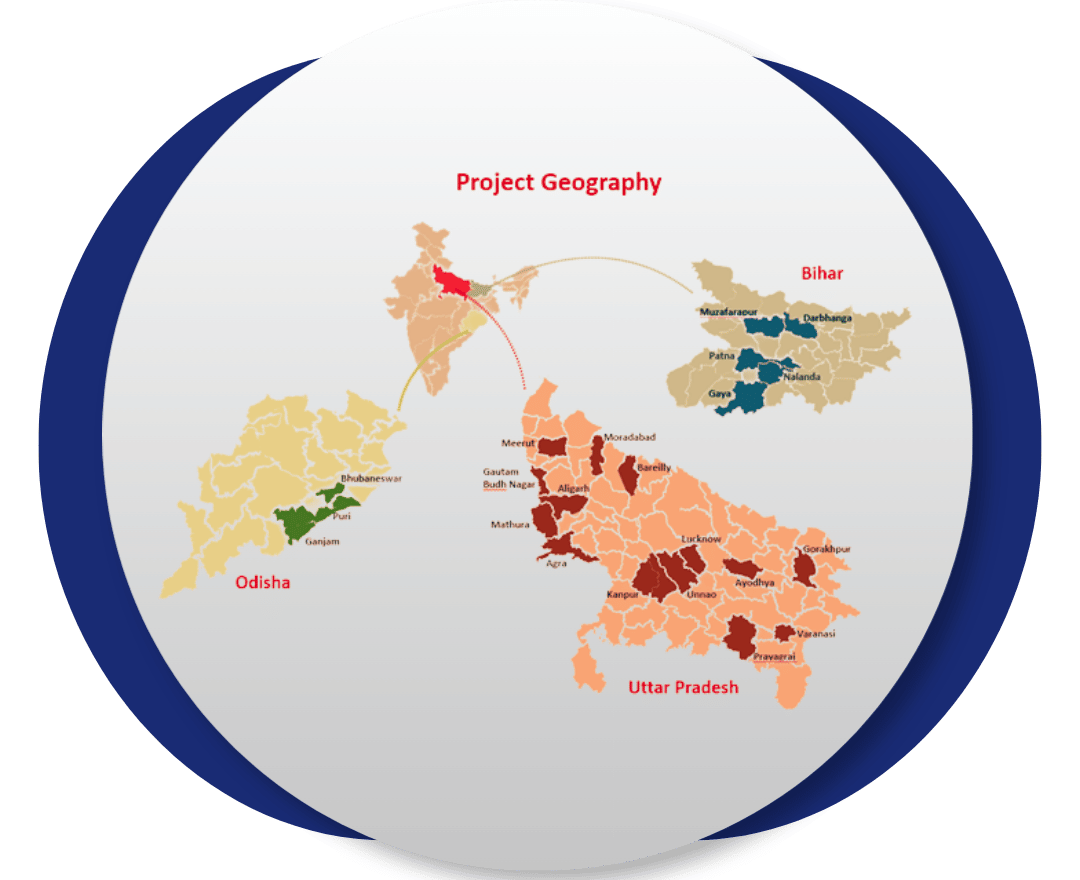
Growth snapshot since its launch in 2020

  • Geographic Footprint: 37 Cities across 21 Districts
  • Supported: 450+ Urban Health Centres
  • Latest Milestone: Successful scale-up to Odisha (2024–2026)
frame
Key Objectives

To strengthen the backbone of urban health via UHWCs, turning data into decisions and governance into results to ensure that no child is left behind, sustaining a gold standard of 95% immunization coverage.

To identify and reduce zero-dose pockets in vulnerable urban areas.

To accelerate MR elimination by fortifying our surveillance-to-response loop and closing immunity gaps through expanded immunization reach.

Our Approach

The Project adopts a focused 5-D approach (Diagnosis, Design, Delivery, Demand, and Diffusion) to improve immunization and health coverage. It develops scalable, data-driven solutions tailored to underserved urban communities, while converging with national programs to strengthen service delivery. Through partnerships with government and urban stakeholders, the project enhances governance, decentralized planning, and people-centric, quality-assured immunization services. Key Interventions
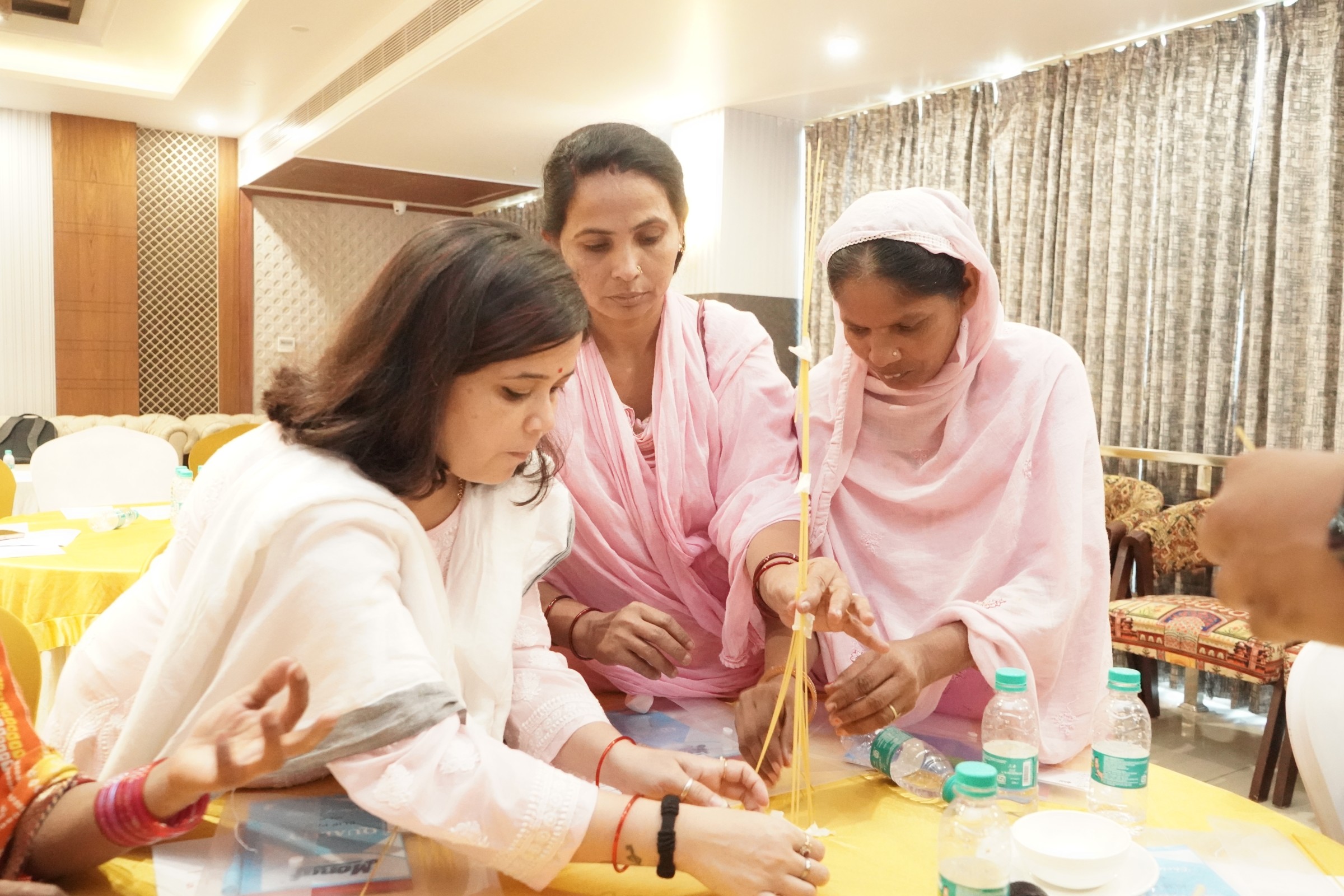
  • Service Delivery: Strengthening planning, governance, capacity, multisectoral collaboration, and quality of care.
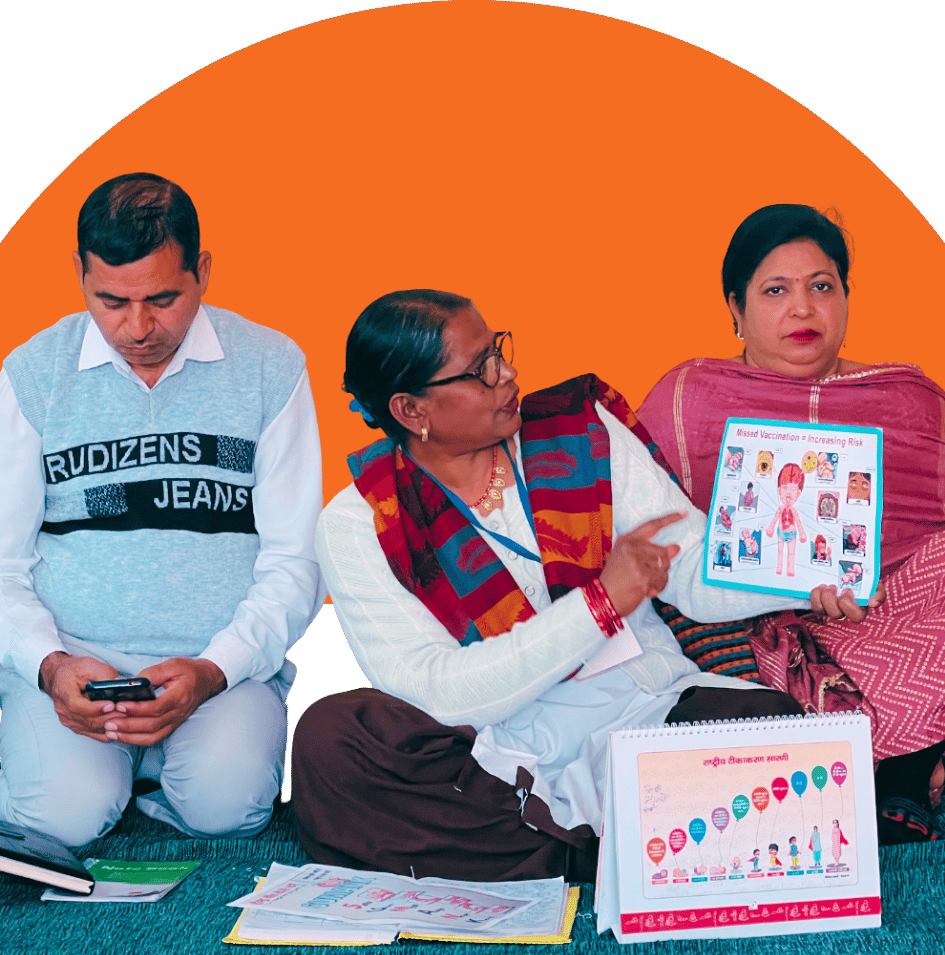
  • Demand Generation: Boosting community engagement {e.g., Mahila Arogya Samithi (MAS)}, targeted digital outreach, urban-specific awareness, and gender-sensitive barrier solutions.
  • Integrated Support:Concurrent monitoring, zero-dose reduction, and knowledge sharing to sustain and expand impact.
  • Innovations:Learning Agenda, Modelling, City Health Action Plan.
rectangle

Achievements (Since inception to January 2026)

  • Immunization Gains:
  1. Uttar Pradesh: FIC increased from 68% to 85% (+17 pp); 4 MICs established with 160+ planned; private sector reporting rose from 17% to 56%.
  2. Bihar: FIC increased from 75% to 83% (+8 pp); 95% MAS functional (86% trained); JAS established at HWCs; and large-scale ULB and MAS trainings conducted.
  3. Capacity Building: 4,700+ healthcare workers trained to strengthen grassroots service delivery.
  • Policy Reforms: Urban RI Strengthening Guidelines strengthened urban review mechanism (CTFUI/DTFI), 6-day vaccination sessions (including Sundays), and strengthened collaboration with Urban Local Bodies, private sector, and medical colleges.
  • Community Strengthening: Empowered MAS and local governance structures such as Jan Arogya Samithi to improve outreach, accountability, and equitable immunization coverage.
  • Monitoring & Implementation: 50K+ HTH visits, 10K+ outreach, and 8K+ fixed session and 1,150+ MAS supervisions to ensure service quality.

rectangle-2

Looking Ahead

  • Foster long-term ownership by building local capacity, strengthening existing systems, and aligning with government priorities.
  • Continue with stakeholder engagement, data-driven monitoring, and knowledge sharing to secure lasting impact and scalable urban immunization improvements.

Ensure long-term sustainability through government co-financing and integration of urban immunization into annual Program Implementation Plans.